
NRL’s record TV deal explained: What it Means For Fans, Free-To-Air Viewers, and Player Salaries
A new $5+ Billion deal has been agreed, reshaping the future of rugby league...
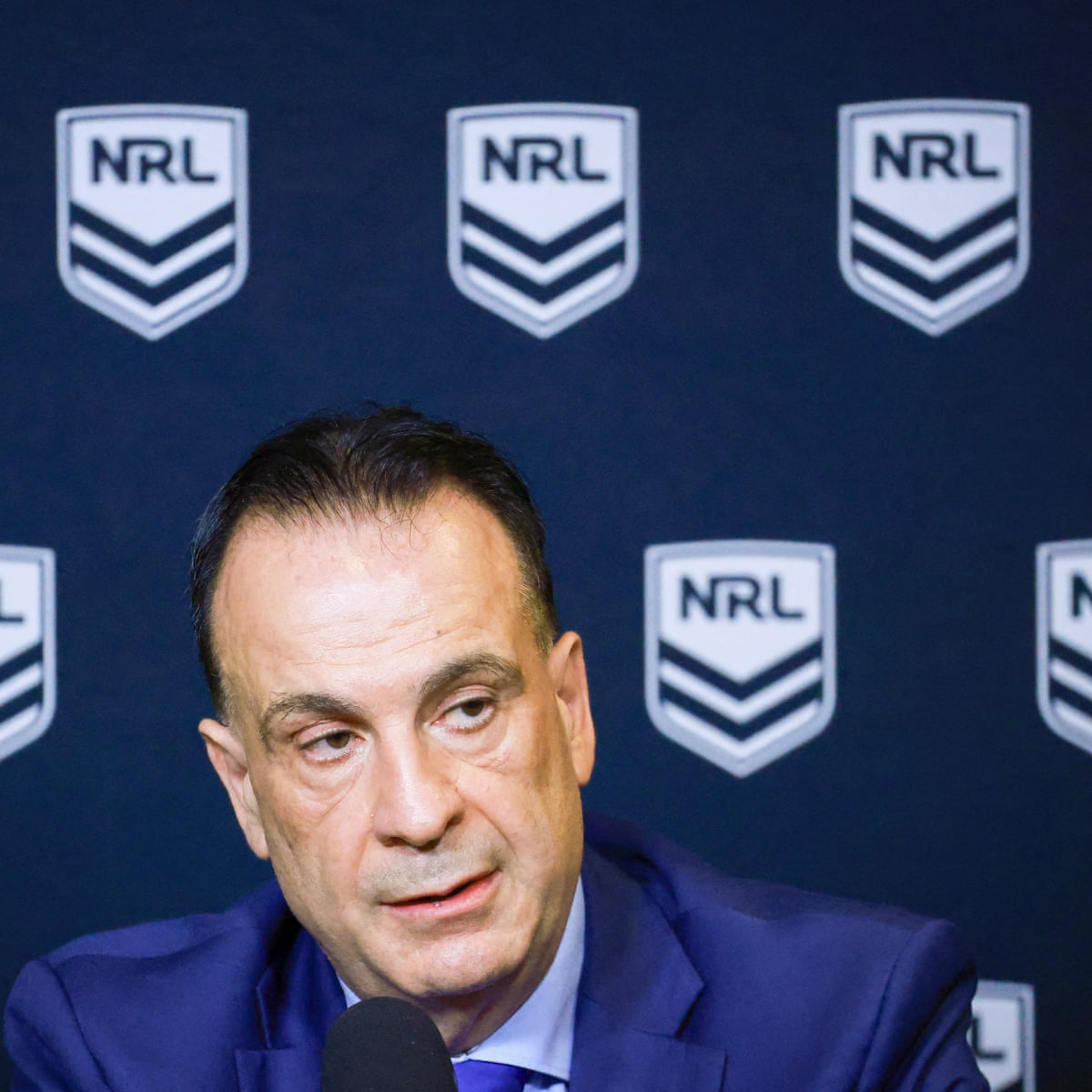
Photo: David Gray/AFP/Getty Images
The NRL is heading into a new broadcasting era after locking in a record rights deal worth around $5–5.5 billion over seven years, starting from the 2028 season.
While the headline number grabs attention, the real impact will be felt in these two places: how fans watch games every week, and how much players are eventually paid.
The deal continues the split model between:
Foxtel / Kayo Sports – full-season coverage
Nine Network (free-to-air) – selected marquee games + Origin + Grand Final
NZ broadcaster (will likely Sky NZ) – Warriors-focused and NZ market coverage
What does this mean for free-to-air viewers? Free-to-air coverage via the Nine Network remains protected, but it becomes more selective and strategically scheduled.
Each round is expected to look like this for free-to-air audiences:
Thursday or Friday night: 1 marquee match of the round
Sunday afternoon: 1 family-time slot game
Occasional Saturday night blockbuster: rotated depending on scheduling
Byes/low-drawing games: remain streaming-exclusive on Kayo
This means roughly 2–3 games per week on free-to-air, but not always involving every club equally. This model gives more prime-time blockbuster games on free TV with better scheduling of big rivalry matches.
State of Origin and the Grand Final remains fully free-to-air and unchanged.
Some key changes are, there will be fewer “every club every week” free TV appearances, more games locked behind Kayo/Foxtel exclusivity and paywall, with smaller/less popular clubs may appear less frequently on Nine.
The biggest long-term impact of the deal is not just broadcasting, it’s the salary cap explosion it enables. Because broadcast revenue is the NRL’s main income stream, this deal directly feeds into future player payments.
With revenue jumping significantly from around $400m a year to up to $750m a year, projections suggest this could be how the salary cap changes:
Current cap is around $11–12 million per club, midway through new deal it should be around $14–16 million per club, and late deal potentially $17–18 million per club.
We should now see for the first time, a chance of $1.5M–$2M+ contracts for superstar players, more of a retention battle for Origin-level talent, solid first-graders move from $500–700k → $700k–$1M range in their salary, resulting in depth players gain more bargaining power due to cap growth.
Young talents will now also be paid better earlier (development squads, upgraded rookie deals). The current minimum salary is $120,000, but is likely to get a significant increase, this will lead to increased competition between clubs for teenage prospects.
What do you make of this new deal?
Comments (0)
Sign in to comment, like or dislike.
Loading…