
Who is the Biggest Club in England?
An always much debated topic in football...
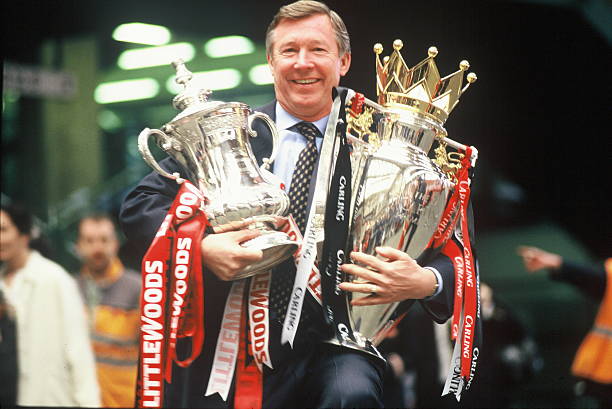
Photo: Getty Images
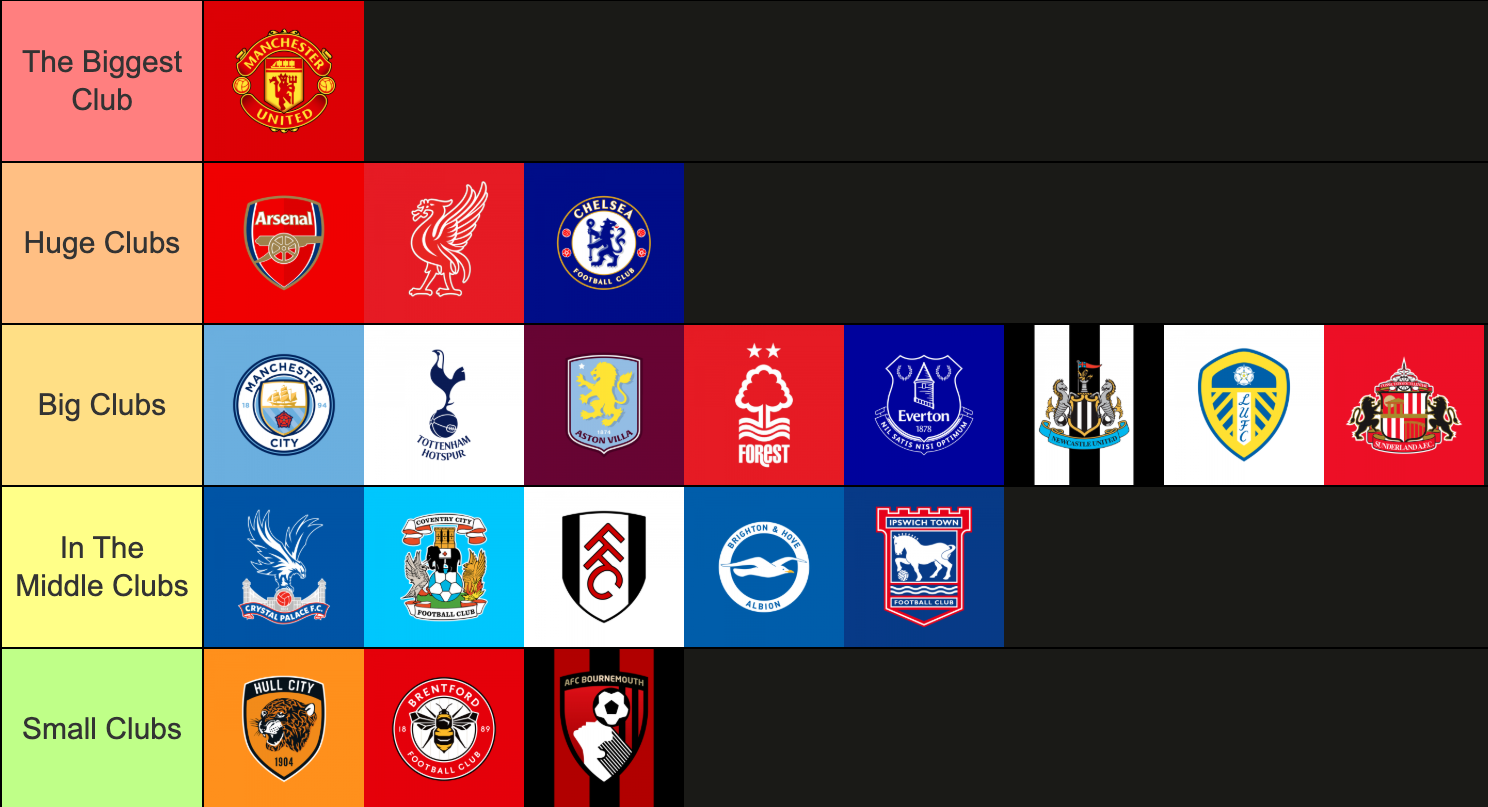
Always a much debated topic in football. Who is the biggest club? Put together is a 1-20 tier list ranking of every Premier League side this season and their ranking among the top flight's class of 2026/27.
First of all, the "biggest club" debate always seems to be around a vague vibe of a club rather than based off some sort of criteria. Every person will have a different idea of what criteria is relevant, and what criteria is deemed more important in determining what makes a club big.
Here is the criteria this ranking is based on, and what I think determines how big a club is;
History and longevity: How long the club has been in the top flight, and the clubs success and reputation across their history rather than in recent times.
Trophies: The ultimate prize in football, how many trophies the club has won, and what trophies they won all count.
Fanbase: The EPL is a global powerhouse. Domestic interest as well as global reach and support is a big indicator of how big a club is.
The players and managers: Legendary players and managers are a massive part of being a big club, top level players, managers, and teams are remembered forever.
Stadium and cultural impact: Historic stadiums, famous rivalries and unforgettable moments help shape a club's identity and legacy.
- Bournemouth
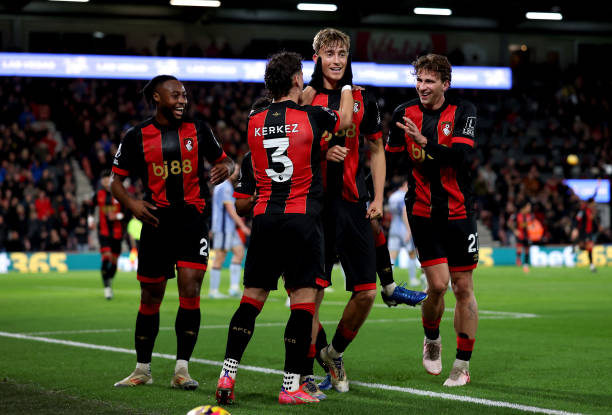
Photo: Getty Images
Bournemouth's rise to the Premier League is one of English football's greatest modern success stories. The Cherries climbed from the lower leagues to establish themselves as a competitive top-flight side under Eddie Howe, earning admiration for their attractive football and remarkable journey to their first ever European qualification.
Despite their recent progress, Bournemouth's history at the highest level is relatively short compared to the clubs above them. They also lack major honours and don't possess the worldwide support or historical influence of England's bigger institutions.
Their story is still being written, and continued Premier League stability could see them climb this list in years to come.
Why not higher? Limited top-flight history, no major trophies and a comparatively small fanbase.
- Brentford
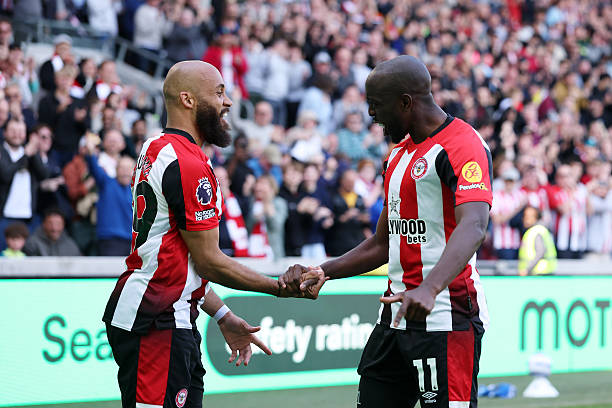
Photo: Getty Images
Brentford have become one of the Premier League's smartest clubs thanks to their innovative recruitment model and impressive rise under Thomas Frank.
Although they've earned widespread respect across Europe for their analytical approach, Brentford have spent very little of their history in England's top division. Their trophy cabinet is also modest compared to almost every club on this list.
The Bees have built a strong foundation, but they need decades of sustained success before entering conversations alongside England's traditional giants.
Why not higher? Limited history in the top flight and very little major silverware.
- Hull City
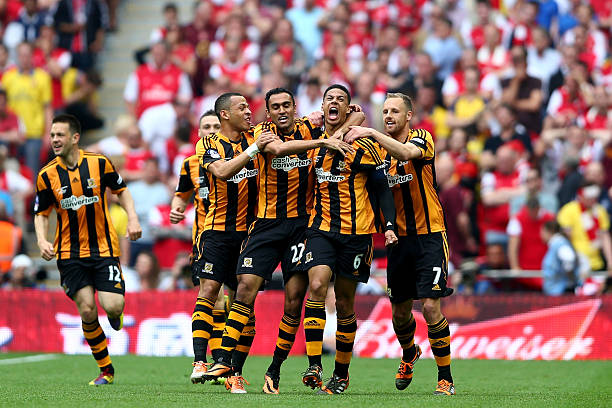
Photo: Getty Images
Hull City have experienced several memorable moments, including reaching the 2014 FA Cup Final and enjoying multiple spells in the Premier League.
The Tigers have developed a passionate local following and have become an established club within the English football pyramid, but compared to those above them, they lack sustained top-flight success and major honours.
Hull's recent reported sale of Lucas Herrington for a record Australian transfer fee highlights the club's growing reputation in the transfer market, but historically they remain some way behind England's bigger clubs.
Why not higher? No major trophies and relatively little top-flight history.
- Ipswich Town
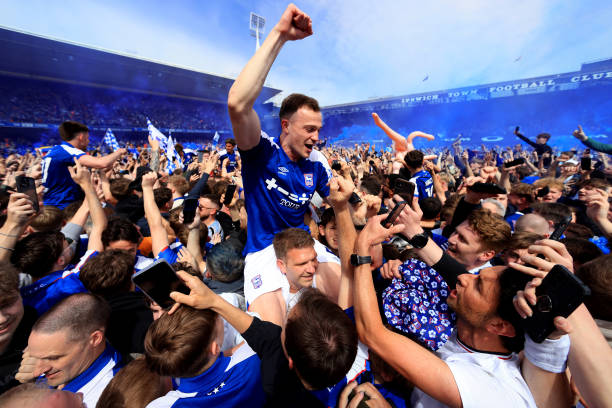
Photo: Getty Images
Ipswich Town boast a history many modern football fans overlook. Under Sir Bobby Robson, they won the FA Cup and the UEFA Cup while regularly competing near the top of English football.
Portman Road remains one of England's historic grounds, and Ipswich have a loyal fanbase despite spending long periods outside the Premier League.
However, decades away from the top level have seen their national profile diminish, preventing them from climbing further.
Why not higher? Their greatest successes came several decades ago and they have lacked sustained Premier League football.
- Brighton & Hove Albion
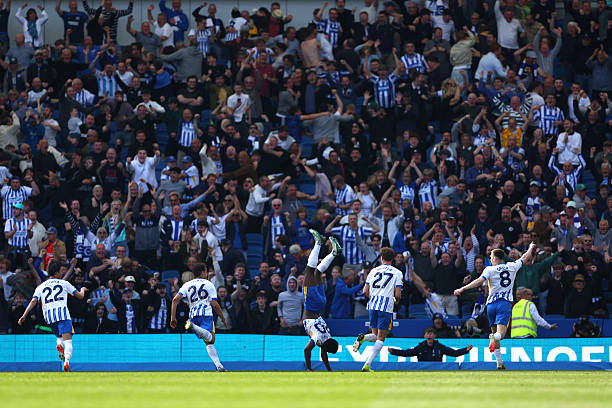
Photo: Getty Images
Brighton have become one of English football's model clubs. Exceptional recruitment, smart coaching appointments and qualification for Europe have transformed the Seagulls into one of the Premier League's best-run organisations.
Unlike several clubs below them, Brighton now possess genuine international recognition thanks to their exciting football and ability to develop elite talent.
Their biggest challenge remains history. Much of their success has come in the last decade, meaning they still trail clubs with far richer traditions.
Why not higher? Their rise is relatively recent and they lack the historical honours of clubs above them.
- Fulham
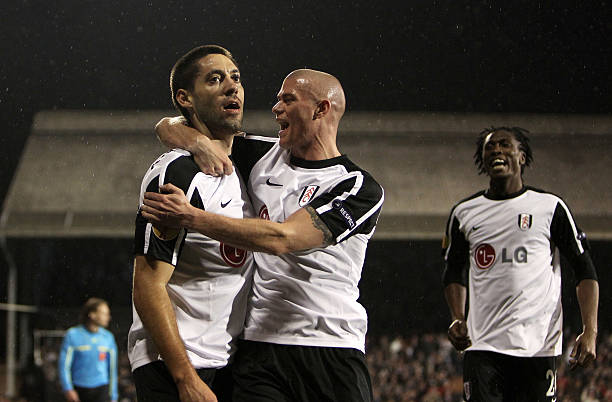
Photo: Getty Images
Fulham are one of London's oldest and most historic football clubs, having first entered the Football League in 1907. Craven Cottage is one of the most iconic stadiums in English football, and the club has built a loyal fanbase while spending much of its history in the top two divisions.
Although silverware has been limited, Fulham enjoyed one of their greatest moments by reaching the 2010 UEFA Europa League Final under Roy Hodgson, defeating the likes of Juventus and Hamburg along the way. More recently, the club has established itself as a consistent Premier League side.
Compared to those ranked above them, Fulham lack the trophy haul and sustained success needed to climb higher, but their history and stability comfortably earn them a place in this list.
Why not higher? Limited major honours and only occasional spells challenging near the top of English football.
- Coventry City
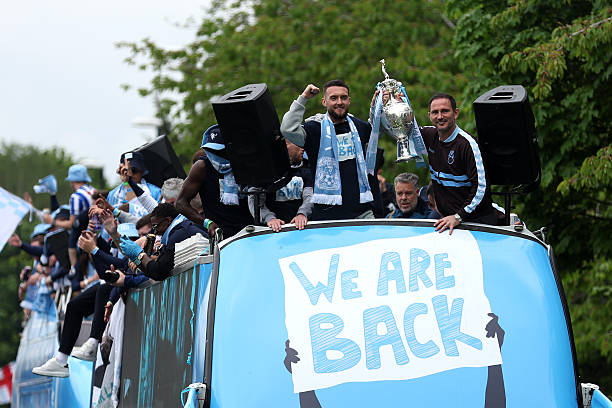
Photo: Getty Images
Coventry City enjoyed over three decades as a top-flight club and are forever remembered for their famous 1987 FA Cup triumph against Tottenham, one of the greatest upsets in the competition's history.
The Sky Blues have produced numerous talented players and have maintained a passionate fanbase despite years outside the Premier League. Their recovery in recent seasons has helped restore some of the club's reputation.
However, prolonged absences from the top division have reduced Coventry's national profile, preventing them from matching clubs with longer periods of sustained success.
Why not higher? Long periods outside the top flight and a relatively modest trophy collection.
- Crystal Palace
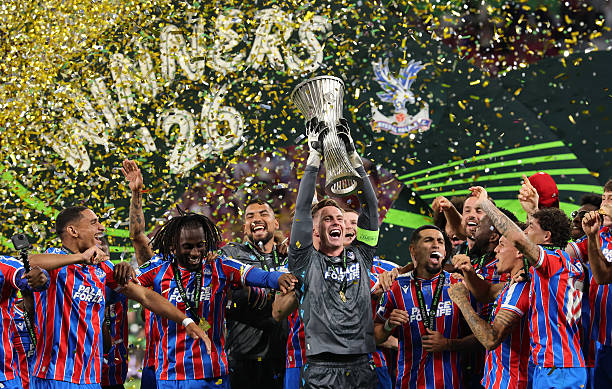
Photo: Getty Images
Crystal Palace have become one of the Premier League's most recognisable clubs thanks to their consistently passionate support, electric atmosphere at Selhurst Park and impressive longevity in the modern era.
While Palace have only recently won major silverware under Oliver Glasner, they have primarily looked to establish themselves as a respected Premier League club and have produced several outstanding players throughout their history. Their fan culture is among the best in England and is admired across Europe.
A lack of silverware across their entire history ultimately limits Palace's position, but their modern stability and loyal fanbase place them ahead of several historic clubs that have struggled to remain relevant.
Why not higher? Only recent major trophies and limited success outside maintaining Premier League status.
- Sunderland
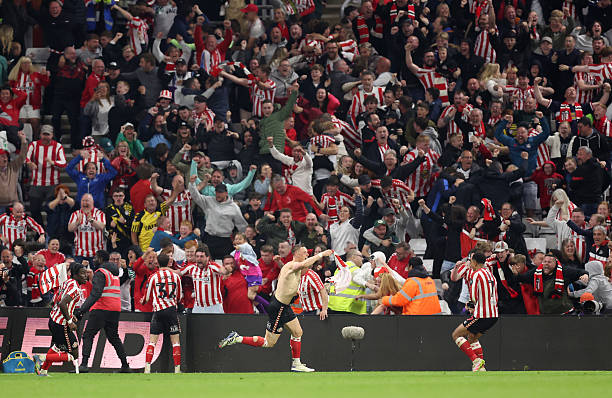
Photo: Getty Images
Few clubs outside England's traditional elite possess Sunderland's history. The Black Cats have won six league titles and were one of the dominant forces in English football during the late 19th and early 20th centuries.
The Stadium of Light regularly attracts huge crowds despite the club spending several seasons outside the Premier League, highlighting one of the country's most passionate fanbases. Their fierce rivalry with Newcastle United remains one of English football's biggest fixtures.
While Sunderland's modern struggles have damaged their standing, their historical success ensures they remain one of England's biggest clubs.
Why not higher? Decades without major success and lengthy absences from the Premier League.
- Leeds United
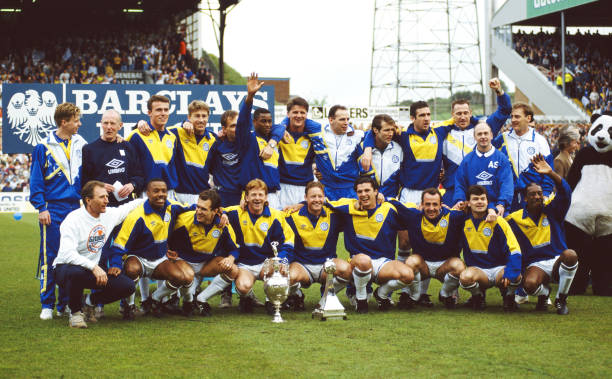
Photo: Getty Images
Leeds United are one of England's most iconic football clubs. Under Don Revie, they became one of Europe's strongest sides, winning league titles, domestic cups and reaching a European Cup Final.
Elland Road remains one of English football's most intimidating stadiums, while Leeds boast one of the largest and most passionate fanbases in the country. Their rivalry with Manchester United is among the fiercest in English football, and the club has consistently produced memorable players and teams.
Financial collapse and years outside the Premier League slowed Leeds' progress, but their history, support and influence on English football comfortably place them just outside the top 10.
Why not higher? Financial decline and a prolonged absence from the Premier League have allowed several clubs to build stronger modern legacies.
- Newcastle United
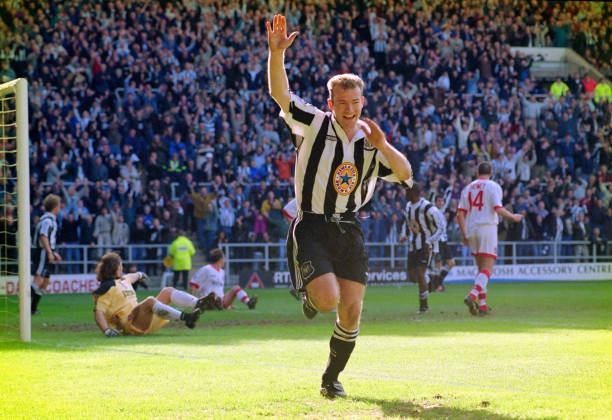
Photo: Getty Images
Newcastle United are one of England's most iconic football clubs. With four league titles, six FA Cups and one of the country's largest fanbases, the Magpies have remained a footballing powerhouse regardless of results on the pitch.
St James' Park is one of the most recognisable stadiums in world football, regularly attracting sell-out crowds and creating one of the best atmospheres in the Premier League. The club has also been home to legendary figures including Alan Shearer, Jackie Milburn, Kevin Keegan, Peter Beardsley and Sir Bobby Robson.
Although Newcastle have endured long trophy droughts in the modern era, their history, support and cultural significance ensure they remain firmly inside England's top ten biggest clubs.
Why not higher? A lack of major trophies in the Premier League era compared to the clubs above them.
- Everton
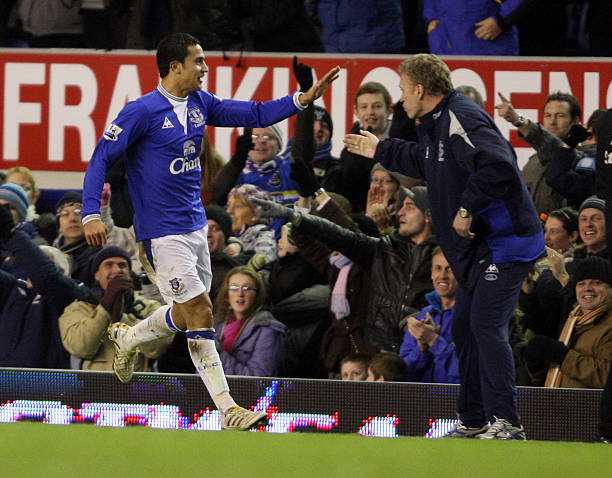
Photo: Getty Images
Everton are one of England's most successful and historic football clubs. A founding member of the Football League, they have won nine league titles, five FA Cups and spent more seasons in England's top flight than any other club.
Goodison Park became one of English football's most famous stadiums, while the move to the state-of-the-art Hill Dickinson Stadium marks a new era for the club. Everton have also produced countless legendary players, including Dixie Dean, whose record of 60 league goals in a single season remains unmatched.
While recent years have been difficult, Everton's history and trophy haul are impossible to ignore. They remain one of England's traditional giants despite their modern struggles.
Why not higher? Limited success over the past three decades has seen several rivals overtake them in global profile.
- Nottingham Forest
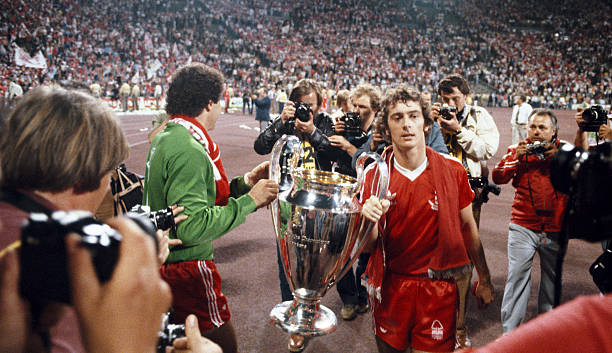
Photo: Getty Images
Few clubs in world football can match Nottingham Forest's greatest achievement, that is winning back-to-back European Cups under Brian Clough. Combined with a league title, two FA Cups and four League Cups, Forest boast one of the most unique trophy cabinets in English football.
Brian Clough transformed Forest from a second-tier side into champions of England and Europe, creating one of football's greatest underdog stories. The City Ground remains one of England's most historic stadiums, and the club's resurgence in recent years has reignited its global profile.
Although they lack the domestic consistency of some clubs above them, Forest's incredible achievements on the biggest stage cement their place among England's elite.
Why not higher? Outside the Brian Clough era, sustained success has been relatively limited.
- Aston Villa
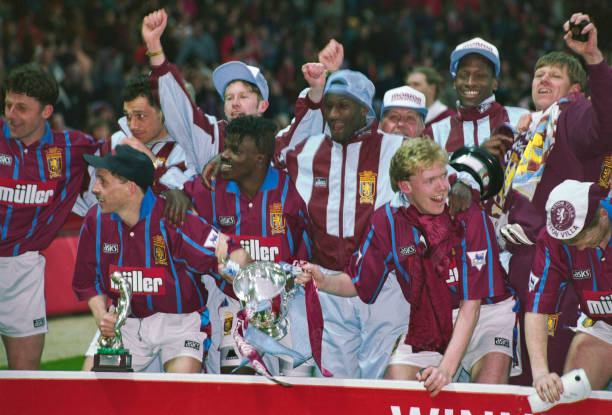
Photo: Getty Images
Aston Villa are one of the founding giants of English football. They have won seven league titles, seven FA Cups, five League Cups and, most importantly, the 1982 European Cup, making them one of only a handful of English clubs to conquer Europe.
Villa Park is among the country's most iconic stadiums, while the club has consistently attracted passionate support for more than 150 years. Legendary names including Paul McGrath, Peter Withe, Dwight Yorke, Jack Grealish and manager Ron Saunders have all played key roles in Villa's rich history.
Villa's recent return to the Champions League has only strengthened their standing, but even without it, their history places them comfortably among England's biggest clubs.
Why not higher? Their trophy count and global fanbase don't quite match the traditional "Big Six" clubs ahead of them.
- Tottenham Hotspur
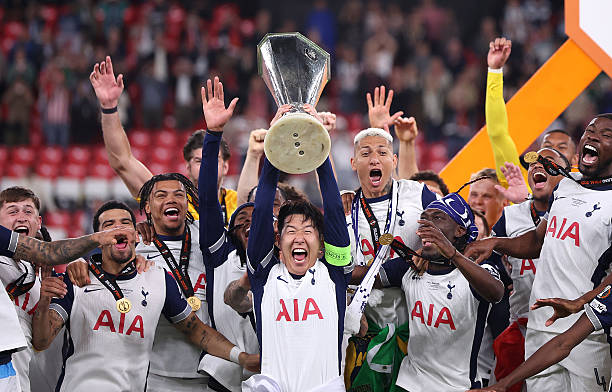
Photo: Getty Images
Tottenham Hotspur have long been regarded as one of England's biggest clubs thanks to their rich history, attacking football and enormous fanbase. Spurs have won two league titles, eight FA Cups, four League Cups, 1 Europa League and became the first British club to win a major European trophy with the 1963 Cup Winners' Cup.
The club has been home to countless legends, including Jimmy Greaves, Glenn Hoddle, Gareth Bale and Harry Kane, while managers such as Bill Nicholson and Mauricio Pochettino helped establish Tottenham as one of England's premier clubs.
Despite not winning the Premier League and enduring a lengthy wait for major silverware, Tottenham's worldwide support, commercial power, iconic stadium and consistent presence near the top of English football ensure they remain one of the country's true giants.
Why not higher? A lack of league titles and major trophies in the modern era separates Spurs from the five clubs above them.
- Manchester City
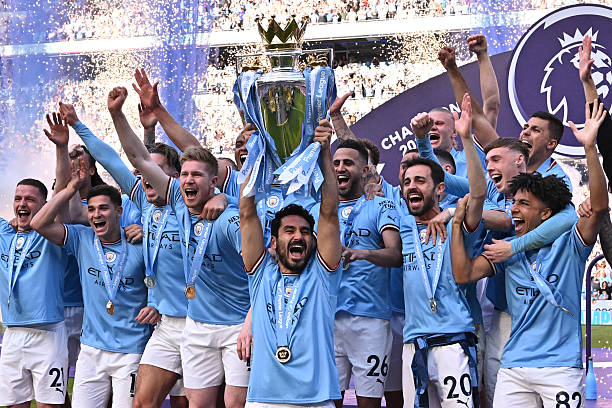
Photo: Getty Images
Manchester City have transformed from one of England's sleeping giants into one of the most dominant football clubs the game has ever seen. While much of their success has come in the modern era, City's history stretches back well over a century, with league titles dating back to the 1930s and memorable triumphs throughout the 20th century.
The club has enjoyed unprecedented success under Pep Guardiola, winning multiple Premier League titles, domestic cups and finally lifting the UEFA Champions League in 2023. That success has been driven by legendary players including Sergio Aguero, Kevin De Bruyne, David Silva, Vincent Kompany and Yaya Toure, while Guardiola has cemented himself as one of football's greatest managers.
Manchester City also boast one of the world's most modern stadiums, a rapidly growing global fanbase and arguably the greatest Premier League team ever assembled.
Some supporters of rival clubs argue City's history before the Abu Dhabi takeover isn't comparable to the clubs above them. However, sustained dominance over the past two decades has elevated City into England's top five biggest clubs.
Why not higher? Despite their remarkable success, City's historical trophy haul, longevity at the top and global cultural influence still fall just short of England's traditional giants.
- Chelsea
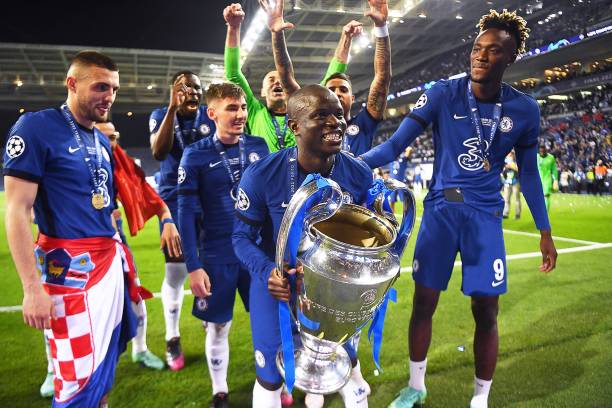
Photo: Getty Images
Chelsea have established themselves as one of the world's biggest football clubs through sustained success both domestically and in Europe. Although much of that success has come since the early 2000s, the Blues also enjoyed trophy-winning periods before the Premier League era, including league titles, FA Cups and European honours.
No English club has reinvented itself quite like Chelsea. Since Roman Abramovich's takeover in 2003, they have won multiple Premier League titles, FA Cups, League Cups, two UEFA Champions Leagues, two Europa Leagues and the FIFA Club World Cup.
The club has been home to legends such as Frank Lampard, John Terry, Didier Drogba, Petr Cech, Gianfranco Zola and Eden Hazard, while managers including Jose Mourinho, Carlo Ancelotti and Thomas Tuchel have all enjoyed historic success.
Chelsea's global fanbase has exploded over the past two decades, cementing their place among football's elite.
Why not higher? While Chelsea's modern success is extraordinary, Manchester United, Arsenal and Liverpool possess longer histories, larger traditional fanbases and greater historical influence on English football.
- Liverpool
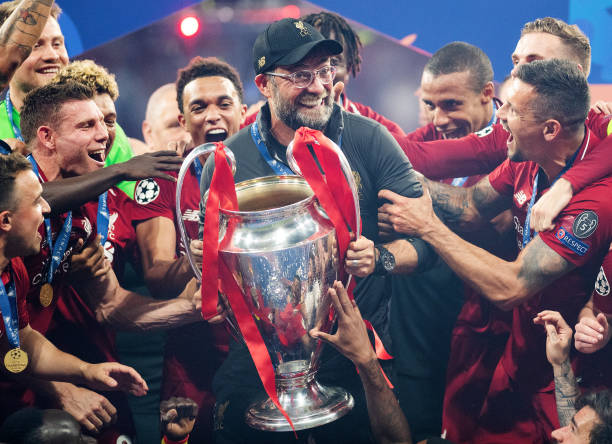
Photo: Getty Images
Liverpool are one of the greatest football clubs in world history. Their success spans generations, with 20 league titles, six European Cups, numerous domestic trophies and countless iconic moments making them one of the most decorated clubs in football.
Anfield is among the sport's most famous stadiums, while "You'll Never Walk Alone" has become one of football's most recognisable anthems. Liverpool's worldwide support is unrivalled, with millions of fans across every continent.
The club has produced legendary figures including Bill Shankly, Bob Paisley, Kenny Dalglish, Steven Gerrard, Ian Rush, and Mohamed Salah, while its European pedigree remains unmatched by any other English club.
Liverpool's combination of history, trophies and worldwide appeal makes a compelling case for being England's biggest club.
Why not higher? While Liverpool arguably have the strongest trophy cabinet, Arsenal's longevity in the top flight and London's global influence narrowly give them the edge in this ranking.
- Arsenal
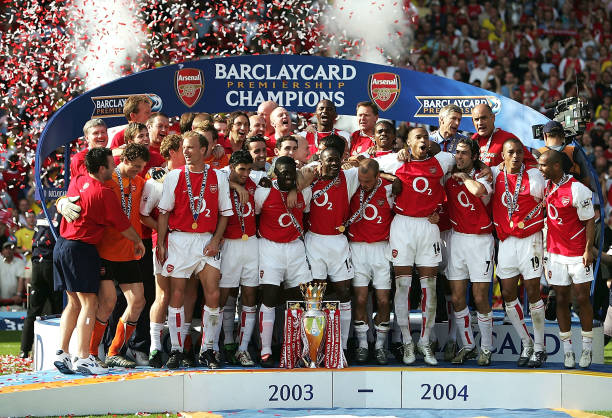
Photo: Getty Images
Arsenal have been one of English football's defining clubs for over a century. Their record 14 FA Cups, 13 league titles and remarkable consistency at the highest level have made them synonymous with success.
The Gunners have spent more consecutive seasons in England's top division than any other club, while the Invincibles season of 2003-04 remains one of the greatest achievements in football history. Highbury and now the Emirates Stadium have both become iconic homes of one of the world's most supported clubs.
Legends such as Thierry Henry, Dennis Bergkamp, Tony Adams, Patrick Vieira, Ian Wright and Arssne Wenger have shaped not only Arsenal's history but English football as a whole.
Arsenal's enormous global following, rich tradition and sustained relevance over generations place them just behind one club. With last seasons famous league title win, the world was reminded how huge Arsenal is with millions celebrating in the streets around the world.
Why not higher? Manchester United's commercial reach, trophy haul and global influence during the Premier League era give them a slight advantage.
- Manchester United
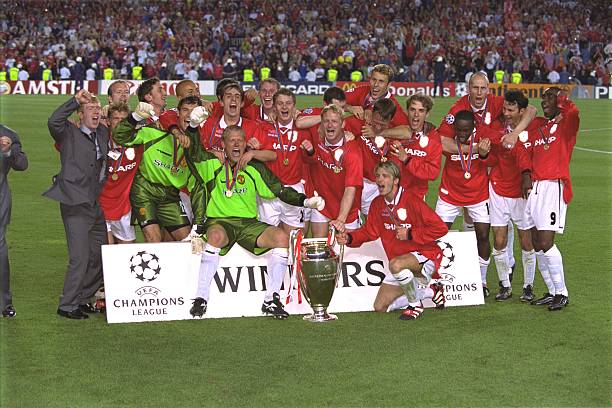
Photo: Getty Images
Manchester United are the biggest football club in England. Few clubs anywhere in the world can match their combination of history, success, global support and cultural impact.
United have won a record 20 English league titles, multiple FA Cups, three European Cups/Champions Leagues and countless other honours. From the Busby Babes to Sir Alex Ferguson's dynasty, the club has consistently shaped English football across generations.
Old Trafford is one of football's most iconic stadiums, while the club's worldwide fanbase numbers in the hundreds of millions. Legends including Sir Bobby Charlton, George Best, Eric Cantona, Ryan Giggs, Paul Scholes, Wayne Rooney, Cristiano Ronaldo and Sir Alex Ferguson have ensured Manchester United remain synonymous with greatness.
Even through recent struggles, Manchester United remain one of the most recognised sporting institutions on the planet. Their influence extends far beyond football, making them the benchmark for what it means to be a truly massive club.
Why No. 1? No English club combines historical success, worldwide popularity, legendary figures, commercial power and cultural influence quite like Manchester United. Only Real Madrid are bigger out of every sporting club/organisation in the world.
Comments (0)
Sign in to comment, like or dislike.
Loading…