
The Barcelona Negreira Case Explained
Barcelona are being investigated over potential referee corruption
2 Oct 2026·5 min read·by Taj Soupidis
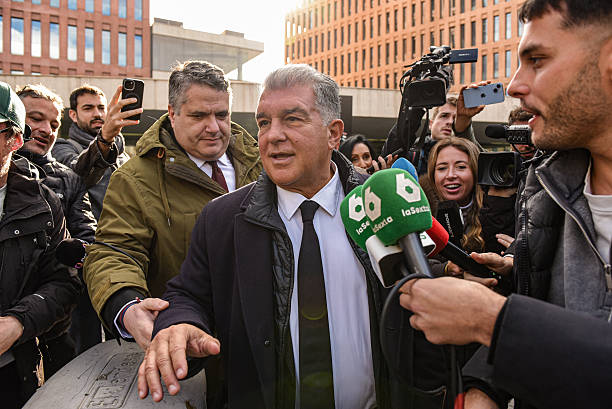
Photo: Getty Images
The Barcelona–Negreira case has returned to the spotlight after Real Madrid submitted a substantial dossier of documents to UEFA, prompting European football's governing body to confirm that the material will be assessed as part of its ongoing investigation.
But despite years of headlines, there is still considerable confusion over exactly what Barcelona are accused of doing, what has actually been established and what remains unproven.
So, what is the Negreira case?
Who is José María Enríquez Negreira?
José María Enríquez Negreira was a former Spanish referee who served as vice-president of the Technical Committee of Referees, one of the most important positions within Spain's refereeing structure.
He held the position from the 1990s until 2018. The controversy centres on the fact that, while Negreira occupied that senior refereeing position, companies connected to him received payments from Barcelona.
Investigators have identified payments of around €7.3 million between 2011 and 2018, while the wider relationship between Barcelona and companies linked to Negreira has been examined over a considerably longer period. That is the fundamental reason the case is so serious.
Barcelona were not simply paying a former referee who had retired from football. They were paying someone who was, at the time, a senior figure within Spain's refereeing system.
What does Barcelona say it was paying for?
Barcelona has consistently denied buying favourable refereeing decisions. The club's explanation is that the payments were for technical reports and advice about referees.
Barcelona has argued that this type of analysis was a legitimate service designed to provide information about referees' tendencies, characteristics and performances.
In other words, Barcelona's position is essentially:
We paid for refereeing analysis, not refereeing decisions.
The existence of payments to Negreira is established. What remains at the heart of the investigation is why those payments were made and whether they were intended to influence sporting competition.
So, did Barcelona pay referees to favour them?
This is where the story often becomes distorted. There has been no established finding that Negreira paid individual referees to manipulate Barcelona matches.
Reuters reported during the investigation that no evidence had been found that Negreira paid referees to influence match results. That does not make the payments insignificant.
It simply means there is a difference between:
“Barcelona paid a senior refereeing official millions of euros.”
and
“Barcelona paid referees to fix matches.”
The first is the established basis of the case. The second is an allegation that has not been established as fact.
Why does the position of Negreira matter so much?
This is probably the biggest question surrounding the entire case.
Imagine a football club paying millions of euros to an ordinary football analyst. That would obviously raise questions about what the analyst was providing, but his position within the game would be different.
Negreira, however, was part of the leadership structure overseeing Spanish refereeing. That creates an obvious conflict-of-interest concern.
Spanish prosecutors have investigated whether the payments constituted corruption in sport, while Barcelona has maintained that the relationship was legitimate consultancy work. Barcelona's own financial reporting acknowledges that the club remains involved in judicial proceedings concerning alleged corruption in sport and other offences.
The investigation therefore isn't simply asking:
“Did Barcelona pay Negreira?” That is already known.
It is asking:
“What exactly was Barcelona buying, why was it buying it, and did the arrangement compromise the integrity of sporting competition?”
What about the famous refereeing reports?
This is another important part of the story. Barcelona has maintained that it received technical reports about referees.
Investigators have also recovered a large amount of material connected with the work carried out by Negreira and his son.
In July 2026, the Barcelona court partially accepted a request from Real Madrid and ordered Barcelona to provide additional financial documentation. The court also ruled that hundreds of reports and other materials produced by Negreira and his son should be incorporated into the investigation.
Those documents could be important because they go to the question of whether the services Barcelona says it was paying for actually existed and what their nature was.
Why is Real Madrid involved?
Real Madrid has taken a particularly aggressive interest in the case because the alleged conduct concerns the integrity of competitions in which Real Madrid and Barcelona were competing.
Madrid has been involved in the Spanish proceedings and has continued pushing for the matter to be investigated at European level.
That pressure has now produced another major development. On October 1, 2026, Real Madrid confirmed that it had submitted extensive documentation to UEFA concerning the case.
The club said the material raised serious questions about the integrity of competition and confidence in the refereeing system and called for the investigation to reach a conclusion.
What has UEFA done?
UEFA first appointed Ethics and Disciplinary Inspectors to investigate Barcelona's situation in March 2023.
The latest development does not mean UEFA has suddenly found Barcelona guilty.
UEFA confirmed that it had received a substantial amount of documentation from Real Madrid and that its Ethics and Disciplinary Inspectors would assess the material as part of their ongoing investigation. Barcelona has also been quick to clarify the situation.
The club says UEFA has not opened a new case or reopened a closed investigation because, from Barcelona's perspective, the existing UEFA proceedings were never closed. The club says the latest development simply means Real Madrid's documentation has been added to the ongoing review.
There is currently no UEFA finding saying Barcelona manipulated matches. There is also no new UEFA punishment announced as a result of Real Madrid's latest submission.
What could happen to Barcelona?
That depends on what investigators ultimately establish. The Spanish case remains ongoing and there is currently no final judgment establishing that Barcelona manipulated match results.
UEFA is separately considering the material within its existing investigation.
Therefore, it is premature to claim that Barcelona are about to be stripped of trophies, expelled from European competition or punished in a particular way.
Those are potential consequences that would depend on the findings and the rules applied but not something that has already been decided.
Why the case matters
The most important thing about the Negreira case is that which relates to potential corruption.
Barcelona says the money was for legitimate refereeing analysis. The prosecution has investigated whether the payments constituted corruption in sport.
Real Madrid argues that the circumstances are serious enough to warrant continued scrutiny. UEFA is now assessing the latest documentation submitted by Madrid.
Until the investigation and judicial proceedings reach their conclusions, the most accurate description is not that Barcelona have been proven to have bought referees.
It is that Barcelona made substantial payments to companies linked to a senior refereeing official, and authorities are investigating whether those payments were legitimate consultancy fees or part of an arrangement that compromised sporting integrity.
That is what makes the Negreira case so significant and why, more than three years after it first exploded, it still has not gone away.
Comments (0)
Sign in to comment, like or dislike.
Loading…