
No Manager, No Problem? Forest Green Rovers Try Football's Unusual New Experiment
A football club with no manager!?
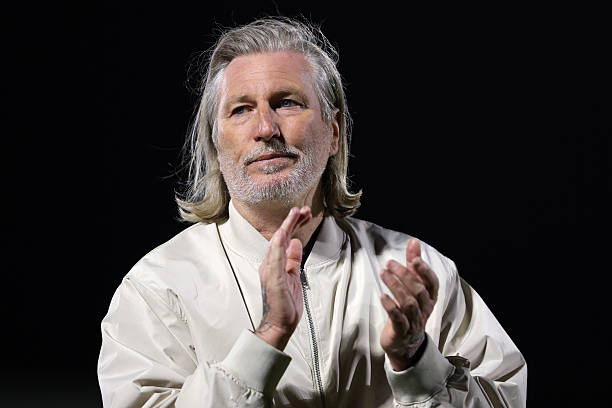
Photo: Getty Images
Football clubs usually respond to a managerial departure by searching for a replacement. Forest Green Rovers, however, are taking a very different approach.
The National League club have announced they will not immediately appoint a new manager following Robbie Savage's departure, with owner Dale Vince deciding to experiment with a collective coaching structure instead.
It is an unconventional move in a sport where managers are often the most influential figures at a club and one that could challenge the traditional way football teams are run.
Why Forest Green are going without a manager
Savage left Forest Green earlier in October to take charge of League One side Peterborough United, stepping up to the English Football League after just over a year in Gloucestershire.
Rather than begin an immediate search for his successor, Vince has backed the existing coaching staff to run the first team together.
Speaking to BBC Radio Gloucestershire, the owner said the club wanted to try something different, arguing that football can place too much emphasis on managers with big egos.
Vince believes a group of experienced coaches can make more balanced decisions collectively, particularly because they already handle much of the day-to-day training and know the players well.
The current group consists of Josh Bowen, Yan Klukowski and Jonathan Gould. Rather than appointing one individual to take charge of every footballing decision, Forest Green intend to see how the trio operate together over the coming games.
Can a team of coaches replace a manager?
The experiment raises an interesting question: how much does a football club actually need a traditional manager?
Modern clubs already divide responsibilities across coaching, recruitment, performance analysis, medical staff and sporting directors. In theory, spreading decision-making across several experienced people could reduce the pressure placed on one individual and encourage more collaboration.
Forest Green's approach could also offer continuity. The coaching staff already understand the squad, the training routines and the club's expectations, meaning there is no need for an immediate transition to an entirely new manager.
However, the manager's role extends beyond organising training sessions. Someone must ultimately make difficult selection decisions, manage player relationships, react to tactical problems and take responsibility when results go wrong.
A collective approach may distribute those responsibilities, but it could also create uncertainty if disagreements emerge or the team struggles to find direction.
The experiment will therefore be judged on more than the club's philosophy. Results will matter.
The timing could hardly be more challenging
Forest Green are not entering this experiment from a position of complete comfort.
The club have endured a difficult run of form, going five matches without a victory before their 4-2 defeat to Hartlepool United on October 10. Their first match under the interim coaching trio had ended in a 1-1 draw against Wealdstone.
That makes the next few fixtures particularly important. If results improve, Vince's decision could be viewed as a brave alternative to the traditional managerial appointment.
If performances deteriorate, however, pressure will inevitably grow for the club to bring in a permanent manager.
Forest Green are due to face Chesham United in the FA Cup fourth qualifying round on October 17, providing the coaching group with another opportunity to demonstrate that the structure can work.
Could other clubs follow?
Forest Green are no strangers to doing things differently. The club have previously attracted attention for their environmental initiatives and unconventional approach to running a football organisation.
But operating without a manager is a much more direct challenge to football's established norms.
Most clubs still rely on a clearly identified head coach or manager to set the tactical direction, choose the team and serve as the main link between players and ownership.
Forest Green's experiment could encourage other clubs to reconsider how responsibilities are divided, particularly where an established coaching staff already performs much of the work.
That does not mean managerless football will become the next major trend. Forest Green's model will need to prove itself over time, and what works for one club may not translate to another.
A bold experiment — or a risky gamble?
Forest Green's decision is fascinating because it challenges one of football's most deeply established assumptions: that every team needs one person in charge.
Vince believes the club's existing coaches have the experience and knowledge to succeed without a traditional manager. Now they must show that the idea can deliver results on the pitch.
If Forest Green improve, the experiment could become one of the most intriguing stories in English football this season. If they struggle, it may reinforce why clubs continue to place so much responsibility in the hands of a single manager.
For now, Forest Green are willing to take the risk. I guess time will tell if it's the right move and one that could catch on.
Comments (0)
Sign in to comment, like or dislike.
Loading…