
FIFA's $20 Billion Investment Proposal Sparks Global Backlash as UEFA Leads Opposition
The president of FIFA is at it again....
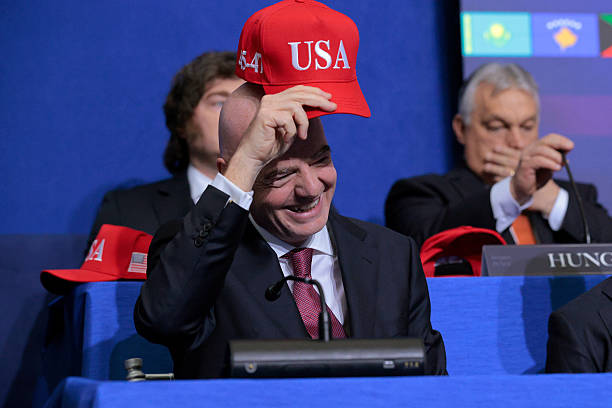
Photo: Getty Images
FIFA President Gianni Infantino is facing mounting criticism after unveiling plans to create a new commercial subsidiary that would allow private investors to purchase up to a 20% stake in FIFA's revenue-generating business.
The proposal would see the creation of "FIFA Forward Enterprise", a commercial entity responsible for managing FIFA's broadcasting, sponsorship, ticketing and other commercial rights. FIFA says it would retain majority ownership and full control over football governance, while the investment would generate billions of dollars to distribute among its 211 member associations. Reports suggest the new entity could be valued at around $20 billion.
Under the proposal, each member association would receive significantly increased funding over future cycles if the plan is approved, with FIFA presenting the initiative as an opportunity to accelerate football's global development. Gianni Infantino has offered a £30m incentive for members to back controversial private investment plans, which seems very much like a form of bribery.
UEFA: "Selling the soul of football"
The proposal has, however, been met with fierce resistance from several of football's most influential organisations.
UEFA has emerged as the strongest opponent, criticising both the substance of the proposal and the manner in which it was presented. European football's governing body said the plans had been introduced without adequate consultation and warned they risk undermining the game's long-term governance.
In a statement, UEFA described the proposal as "selling the soul of football", arguing that introducing private equity into the commercial ownership of the World Cup and FIFA competitions could fundamentally alter the sport's priorities.
CONCACAF and the FA raise transparency concerns
Opposition has not been limited to Europe. CONCACAF also criticised the process surrounding the proposal, expressing concern that stakeholders learned details through media reports rather than formal consultation.
Meanwhile, the English Football Association questioned the lack of transparency, saying it had not been properly informed before the plans became public and wanted greater detail before considering its position.
Critics fear increasing commercialisation
Beyond football's governing bodies, critics argue the proposal represents another step towards the increasing commercialisation of the sport, which has been a key criticism expressed during the 2026 World Cup with the introduction of hydration breaks among other issues.
Former FIFA president Sepp Blatter also voiced opposition, warning that football's biggest tournament should not become a financial asset for private investors and arguing that the World Cup "belongs to the people." A bit rich coming from him but I digress.
Supporters of the proposal argue the investment would dramatically increase financial support for smaller football nations, allowing infrastructure, grassroots development and national programmes to receive funding on a scale never previously possible.
However, opponents fear accepting outside investment could create long-term commercial pressures that influence decisions around FIFA's competitions and governance, despite FIFA insisting it would retain full control.
A defining vote for world football
FIFA's member associations are expected to vote on the proposal later this year, with approval requiring majority support.
If passed, the creation of FIFA Forward Enterprise would represent one of the biggest structural changes in FIFA's history, introducing private investment into the commercial operation of world football while leaving governance formally under FIFA's control.
Whether the promise of significantly increased funding outweighs concerns over transparency, governance and the future commercial direction of the game is now likely to become one of the defining debates in modern football administration.
Comments (0)
Sign in to comment, like or dislike.
Loading…