Avram Glazer Sparks Manchester United Fury Claiming the Club Doesn't Need Success On the Pitch
Looks like the Glazer's won't be getting more popular any time soon
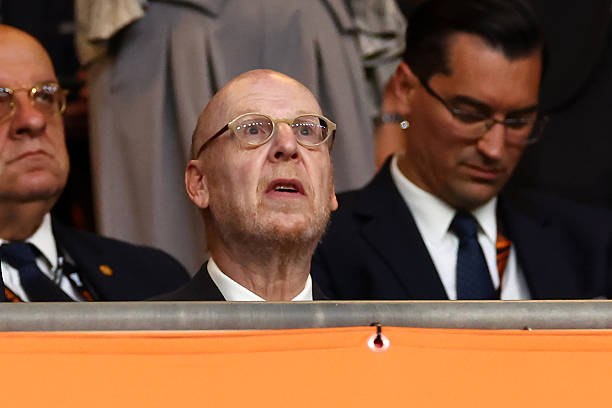
Photo: Getty Images
Manchester United supporters have spent years demanding change at Old Trafford, but comments from co-owner Avram Glazer have given frustrated fans another reason to question the club's ownership.
Glazer has reportedly told an audience of investors that Manchester United's commercial power is not dependent on success on the pitch, suggesting the club's global brand can remain financially powerful even when results fail to match expectations.
The comments were made during Deutsche Bank's inaugural Sports Investment Conference in London in September, but only emerged publicly this week following reporting by The Athletic.
Glazer reportedly compared United to American sporting giants the New York Yankees and Dallas Cowboys, arguing that major sporting institutions can maintain their commercial appeal despite lengthy periods without major championships.
It is an argument that may make sense in an investment presentation, but it is unlikely to sit comfortably with supporters who have watched United struggle to return to the top of English and European football.
The Glazer business model versus football ambition
The central issue with Glazer's reported comments is the distinction between running Manchester United as a commercial organisation and running it as a football club.
United remain one of the biggest sporting brands in the world, with enormous global support, commercial partnerships and the ability to generate significant revenue.
However, the club's sporting decline since Sir Alex Ferguson's retirement in 2013 has been difficult to ignore.
United have not won the Premier League since Ferguson's departure, while the club has endured repeated managerial changes, expensive recruitment mistakes and disappointing league campaigns.
For supporters, commercial strength is not the ultimate objective. Winning trophies, competing for the biggest honours and restoring the club's position among Europe's elite remain the expectations.
Glazer's reported comparison with the Yankees and Cowboys suggests that United's brand can withstand periods without major success. But there is an important difference between maintaining commercial recognition and satisfying a football fanbase.
The financial numbers tell another story
United's commercial operation remains substantial, but there are signs that the club's financial strength cannot simply be taken for granted.
According to recent financial reporting, commercial revenue fell from £333.3 million in 2024/25 to £317.3 million in 2025/26.
That is a decline of £16 million, despite United remaining one of football's most recognisable brands.
The club also faces the challenge of balancing its finances while investing in the squad, infrastructure and the wider football operation.
Sir Jim Ratcliffe and INEOS took control of football operations following their investment in 2024, but the Glazer family remain majority shareholders.
That leaves supporters with an ownership structure in which the people ultimately controlling the club are not the same group responsible for its day-to-day football decisions.
Supporters make their feelings clear
The timing of the comments has only added to the frustration.
United supporters have continued to protest against the Glazer family, with demonstrations taking place around the club's recent Champions League fixture against Roma.
Tennis balls were thrown onto the pitch during the match, while green and gold balloons were released before kick-off in another demonstration against the ownership.
The protests came despite United securing a dramatic 3-2 victory over Roma, ending a nine-game winless run across all competitions.
It was a reminder that even positive results are not enough to resolve the wider concerns surrounding the club.
For many supporters, the Glazers' relationship with Manchester United has never been solely about results. Their leveraged takeover in 2005, the debt placed on the club and years of disagreement over investment and leadership have shaped the relationship ever since.
Can Manchester United remain a commercial giant without winning?
Glazer's argument raises a genuine question about the modern football industry.
Manchester United have a global following that will not disappear overnight, and their commercial appeal is built on decades of history, success and worldwide recognition.
However, football clubs are not simply businesses selling merchandise and sponsorship opportunities.
Their value is closely connected to the emotional investment of supporters, and that connection can be damaged when the team repeatedly fails to deliver.
The Yankees and Cowboys comparisons may demonstrate how powerful sporting brands can remain during trophy droughts, but United supporters will argue that their club should not be satisfied with simply remaining commercially successful.
Manchester United were built on winning. These comments are out of touch, corporate greed, and Americanisation of the club.
Until the club returns to competing consistently for the biggest trophies, comments suggesting that success on the pitch is not essential are unlikely to win over the people who matter most: the supporters.
Comments (0)
Sign in to comment, like or dislike.
Loading…